
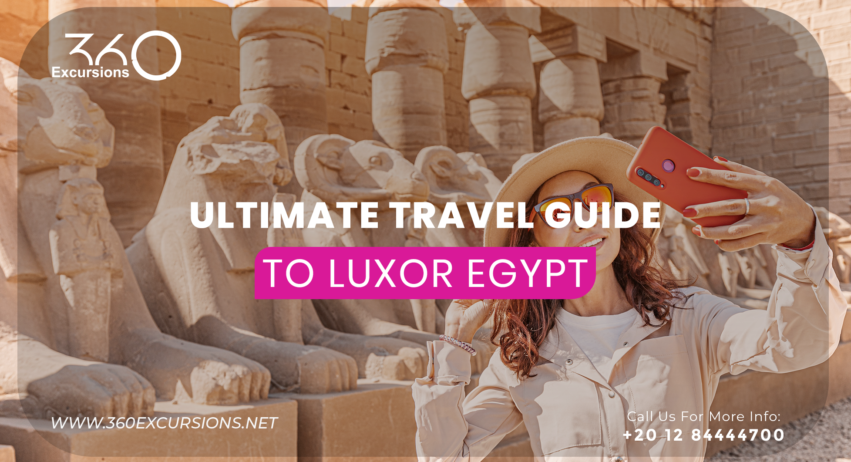
Luxor Egypt Is One Of The Most Historically Significant Destinations On Earth, A City Where Ancient Civilizations Continue To Inspire Travelers Through Monumental Temples, Royal Tombs, And Timeless Landscapes Along The Banks Of The Nile. Known As The Spiritual And Archaeological Heart Of Ancient Egypt, Luxor Egypt Offers An Immersive Experience That Feels Like Stepping Directly Into The World Of The Pharaohs. With Its Division Between The Vibrant East Bank And The Mysterious West Bank, The City Provides Endless Exploration Opportunities For History Lovers, Culture Seekers, And Adventurous Travelers.
This Ultimate Travel Guide To Luxor Egypt Covers Everything You Need To Know Before Visiting — From The City\’s Unique Identity As The World’s Largest Open-Air Museum To Its Most Important Temples, Burial Sites, Nile Cruises, Best Times To Visit, Transportation Options, And Practical Travel Tips For A Smooth And Enjoyable Trip.
Overview Of Luxor Egypt
Luxor Egypt Holds A Remarkable Position As The Former Capital Of Ancient Thebes, A City That Reached Its Peak During The New Kingdom Period When Egypt Enjoyed Immense Power And Cultural Prosperity. Today, Luxor Egypt Resembles A Living Historical Archive Filled With Grand Temples, Sacred Lakes, Colorful Tombs, Majestic Statues, And Endless Archaeological Discoveries. Divided By The Nile, The East Bank Represents The Land Of The Living — Filled With Temples And Urban Life — While The West Bank Represents The Land Of The Dead, Home To Egypt’s Most Important Royal Tombs.
Luxor Egypt Captivates Millions Of Visitors Each Year With Its Unique Blend Of Authentic Heritage, Scenic Beauty, Warm Hospitality, And Deep Cultural Roots.
Why Luxor Is Called The World’s Largest Open-Air Museum
Luxor Egypt Earned This Title Because The City Itself Functions As A Gigantic Museum Without Walls. Unlike Typical Museums Confined Indoors, The Art, Architecture, And History Of Luxor Spread Across Landscapes, Valleys, And Monumental Structures That Have Stood For Thousands Of Years. The Sheer Scale Of Its Temples, The Detail Of Its Tomb Paintings, And The Grand Legacy Of Pharaohs Like Ramses II, Hatshepsut, And Tutankhamun Make Luxor Egypt One Of The Most Extraordinary Historical Destinations In The World. Every Corner Of The City Tells A Story, And Every Structure Reveals The Genius Of Ancient Egyptian Civilization.

East Bank Attractions
The East Bank Of Luxor Egypt Is Known As The Heart Of Daily Life And Religion During The Ancient Period. It Houses Two Of The Most Important Temples Ever Constructed, Both Of Which Represent The Power And Spiritual Beliefs Of Ancient Egyptians.
Karnak Temple
Karnak Temple Is The Largest Religious Complex Ever Built, And One Of The Most Impressive Architectural Achievements In Human History. Stretching Across More Than 200 Acres, This Temple Features Massive Obelisks, Sacred Lakes, Grand Pillars, And Iconic Hypostyle Halls. Each Pharaoh Added Structures Or Decorations To Karnak Over Nearly Two Thousand Years, Making It A Monument That Reflects The Evolution Of Religion In Luxor Egypt. The Enormous Columns, Some Standing Over Twenty Meters High, Inspire Awe In Every Visitor Who Walks Through This Sacred Site.
Luxor Temple
Luxor Temple Is Another Magnificent Structure On The E
ast Bank, Located In The Center Of Modern Luxor. Built By Amenhotep III And Expanded By Ramses II, The Temple Was A Symbol Of Royal Power And A Center For Religious Ceremonies. Unlike Karnak, Luxor Temple Was Primarily Dedicated To The Rebirth Of Kingship And Played A Major Role In The Opet Festival. Walking Through Its Illuminated Columns At Night Is One Of The Most Magical Experiences In Luxor.
West Bank Attractions
The West Bank Of Luxor Represents The Eternal Resting Place Of Pharaohs, Queens, Nobles, And Workers Who Built The Ancient Empire. This Side Of The City Offers A More Quiet, Mystical, And Spiritually Charged Experience.
Valley Of The Kings
The Valley Of The Kings Is The Most Famous Burial Site In The World, Home To Over Sixty Tombs Of Powerful Pharaohs. The Most Iconic Of These Is The Tomb Of Tutankhamun, Discovered Nearly Intact By Howard Carter In 1922. The Tombs In This Valley Feature Extraordinary Wall Paintings That Depict Religious Texts, Afterlife Journeys, And Sacred Rituals. Exploring These Tombs Gives Travelers A Rare Look Into The Spiritual Vision Of Ancient Luxor Egypt.
Hatshepsut Temple
The Mortuary Temple Of Queen Hatshepsut Is One Of The Most Striking Architectural Designs Ever Created. Built Into The Rock Face Of Deir El Bahari, This Temple Features Terraces, Colonnades, And Reliefs That Celebrate The Reign Of One Of Egypt’s Most Influential Female Pharaohs. Its Unique Style And Majestic Setting Make It A Must-See Landmark In Luxor Egypt.
Colossi Of Memnon
Standing At The Entrance To The Former Mortuary Temple Of Amenhotep III, The Colossi Of Memnon Are Two Massive Statues Rising Nearly Eighteen Meters Tall. These Statues Have Guarded The West Bank For More Than 3,400 Years. Visitors To Luxor Often Stop Here For Photos And To Appreciate The Monumental Scale Of Ancient Egyptian Art.

Best Nile Cruises In Luxor
Luxor Egypt Offers Some Of The Most Scenic And Relaxing Nile Experiences In The Country. Nile Cruises Provide A Luxurious And Peaceful Way To Travel Between Luxor And Aswan While Enjoying Stunning Views Of Rural Villages, Palm Groves, And Wide River Landscapes. Travelers Can Choose Between Traditional Felucca Rides, Short Sunset Cruises, Or Multi-Day Luxury Cruise Ships With Onboard Dining, Pools, And Entertainment. A Nile Cruise Is One Of The Most Memorable Activities You Can Enjoy In Luxor, Offering A Perfect Blend Of Adventure And Comfort.
Best Time To Visit Luxor
The Best Time To Visit Luxor Egypt Is Between October And April, When The Weather Is Cool, Comfortable, And Ideal For Exploring Outdoor Temples And Tombs. Winter Months Offer Clear Skies And Pleasant Temperatures, Making It Easier To Spend Hours Touring Historical Sites. Summer, While Hot, Can Still Be Enjoyed During Early Morning And Late Afternoon Tours. Visitors Who Plan Their Itinerary Wisely Can Explore Luxor Year-Round.
Getting Around Luxor
Luxor Is Relatively Easy To Navigate, With Multiple Transportation Options Suitable For All Types Of Travelers.
Taxis Are Readily Available, But It’s Best To Agree On A Price Before Starting Your Trip Since Meters Are Not Commonly Used. Horse Carriages Offer A Unique And Traditional Way To Explore The Streets, Especially Along The Nile Corniche Or Through The Old City Markets. Travelers Can Also Use Local Ferries Or Motorboats To Cross Between The East And West Bank, A Scenic And Affordable Option That Shows The Beauty Of Luxor Egypt From The Water. Private Drivers And Tours Are Ideal For Visiting Multiple West Bank Sites Efficiently In One Day.

Travel Tips
To Make The Most Out Of Your Visit To Luxor, A Few Helpful Tips Can Ensure Smooth Travel. Always Carry Cash, Especially When Visiting Souks Or Small Vendors. Wear Comfortable Clothing And Footwear Suitable For Walking Long Distances Under The Sun. Start Your Temple And Tomb Tours Early In The Morning To Avoid Crowds And Heat. Stay Hydrated And Bring Sunscreen, As Many Sites Are Open-Air. Finally, Consider Hiring A Knowledgeable Guide To Deepen Your Understanding Of The Rich History That Defines Luxor Egypt.
Conclusion
Luxor Egypt Offers One Of The Most Extraordinary Historical Journeys In The World. From Grand Temples And Royal Tombs To Serene Nile Views And Cultural Wonders, Every Corner Of The City Reflects The Genius Of Ancient Civilization. Whether You Are Exploring Karnak, Standing Before The Colossi Of Memnon, Sailing The Nile, Or Walking Through The Valley Of The Kings, Luxor Provides A Timeless And Transformative Travel Experience That Stays With You Forever.