
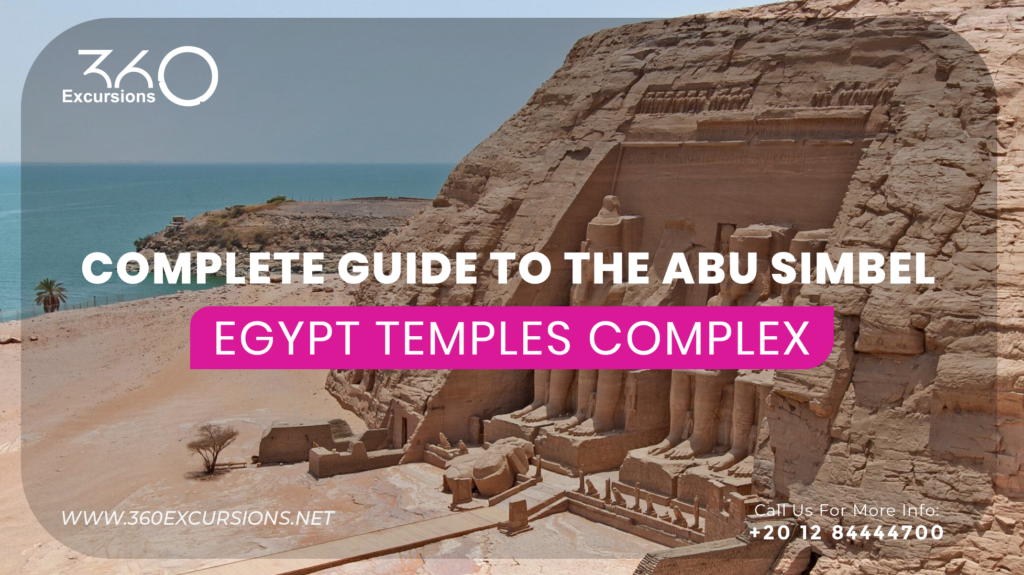
Abu Simbel Egypt Is One Of The Most Impressive Archaeological Wonders In The World, A Monumental Testament To The Power, Vision, And Artistic Mastery Of The Ancient Egyptians. Located Near The Border With Sudan, The Abu Simbel Temples Stand As A Symbol Of The Legacy Of Ramses II, Showcasing Grand Architecture, Detailed Carvings, And Extraordinary Solar Phenomena That Continue To Fascinate Historians And Travelers Alike. Unlike Most Temples That Sit Within Major Egyptian Cities, Abu Simbel Egypt Offers A Majestic Experience In The Heart Of The Nubian Desert, Making It A Once-In-A-Lifetime Destination For Any Visitor.
This Complete Guide To Abu Simbel Egypt Covers History, Highlights, Temple Descriptions, Visitor Tips, Access Routes, And Essential Information To Help You Experience One Of The World’s Greatest Ancient Landmarks.
Overview of Abu Simbel Egypt
The Abu Simbel Egypt Temples Complex Consists Of Two Massive Rock Temples Built By Pharaoh Ramses II During The 13th Century BC. Tucked Into An Ancient Cliff Overlooking The Nile (Before The Creation Of Lake Nasser), These Temples Reflect The Pharaonic Era’s Strength, Influence, And Religious Beliefs. The Larger Temple Is Dedicated To Ramses II Himself, While The Smaller Temple Honors His Beloved Wife, Queen Nefertari. Together, They Form One Of The Most Impressive Architectural Masterpieces In Egypt.
The Surreal Setting Of Abu Simbel With Its Colossal Statues Facing The Rising Sun — Creates A Powerful Visual Impact That Stays Engraved In Every Traveler’s Memory.
Great Temple Of Ramses II
The Great Temple Is The Larger And More Famous Structure At Abu Simbel. Its Façade Features Four Enormous Statues Of Ramses II, Each Standing Over 20 Meters Tall. Inside, The Temple Leads To Halls Of Columns, Detailed Reliefs, And Chambers Depicting Ramses II’s Military Victories And Divine Relationship With The Gods. The Temple’s Inner Sanctuary Aligns With The Sun Twice A Year In A Phenomenon That Has Amazed Scholars For Centuries.
Temple Of Nefertari
The Temple Of Nefertari, Though Smaller, Is Equally Remarkable And Dedicated To Ramses II’s Favorite Wife. The Façade Features Six Sculptures — Four Of Ramses II And Two Of Nefertari — All Of Nearly Equal Height, A Rare Honor In Ancient Egyptian Art. Inside, Beautiful Wall Carvings Depict Nefertari Engaging With Deities Such As Hathor. This Temple Highlights The Great Respect Ramses II Had For His Queen, Making It One Of The Most Romantic Monuments In Egypt.

History & Discovery
Carved Into The Mountain
Unlike Many Egyptian Temples Built From Separate Blocks, The Abu Simbel Temples Were Carved Directly Into A Sandstone Mountain. This Required Incredible Skill And Precision, As Sculptors And Architects Needed To Plan Interior Halls, Statues, And Wall Carvings With Mathematical Accuracy. The Result Was Two Immovable Temples That Would Stand Unshaken For Over 3,000 Years.
Modern Relocation By UNESCO
In The 1960s, The Construction Of The Aswan High Dam Threatened To Submerge Abu Simbel Egypt Under The Rising Waters Of Lake Nasser. In A Massive International Effort Led By UNESCO, The Entire Temple Complex Was Cut Into Thousands Of Blocks, Removed Piece By Piece, And Rebuilt On Higher Ground. This Relocation Is Considered One Of The Greatest Archaeological Salvage Projects In Human History, Preserving The Temples For Millions Of Future Visitors.
Highlights
4 Colossal Statues Of Ramses II
The Four Giants At The Entrance Of The Great Temple Are Among The Most Recognizable Figures In The Ancient World. Their Immense Scale, Carved With Incredible Detail, Demonstrates The Power And Divine Authority Ramses II Claimed During His Reign. These Statues Alone Make A Visit To Abu Simbel An Experience Unlike Any Other.
Inner Sanctum
Deep Inside The Great Temple Lies The Inner Sanctuary, Where Statues Of Four Deities (Including Ramses II Himself) Sit In A Sacred Chamber. This Room Is Central To The Temple’s Religious Importance And Was Designed With A Unique Solar Alignment That Occurs Only Twice Per Year.
Solar Alignment Phenomenon
One Of The Most Astonishing Features Of Abu Simbel Is The Solar Alignment Event That Happens Every February 22 And October 22. On These Days, The Rising Sun Shines Directly Into The Temple’s Inner Sanctuary, Illuminating Three Of The Four Statues — Except For Ptah, The God Of Darkness. This Incredible Precision Demonstrates The Ancient Egyptians’ Advanced Understanding Of Astronomy And Architecture.

Visiting Information
Best Times
The Best Time To Visit Abu Simbel Is During The Cooler Months From October To April. Early Morning Visits Offer Comfortable Temperatures And Great Lighting For Photos. If You Want To Witness The Solar Alignment, Plan Your Trip For February 22 Or October 22 — But Expect Large Crowds.
Ticket Prices
Ticket Prices For Abu Simbel Can Vary, But Generally Include Admission To Both Temples. Additional Fees May Apply For Photography And Special Access. It’s Recommended To Check The Latest Rates From Official Sources Before Visiting.
Photography Rules
Photography Is Allowed Outside The Temples, But Inside Photography May Be Restricted Or Require A Special Permit. Flash Photography Is Typically Prohibited To Protect The Ancient Wall Carvings. Always Respect Local Rules To Help Preserve Abu Simbel Egypt.
How To Reach From Aswan
Reaching Abu Simbel Egypt From Aswan Is Straightforward, With Several Options Available:
- By Road: Most Travelers Use Air-Conditioned Buses Or Private Cars On A 3–4 Hour Journey Through The Desert.
- By Flight: Short Flights Operate Between Aswan And Abu Simbel Egypt, Offering A Fast And Convenient Option.
- By Tours: Many Travel Agencies Offer Guided Tours, Providing Commentary, Transport, And Assistance During Your Visit.
Whichever Method You Choose, Departing Early Morning Is Recommended To Enjoy Cooler Temperatures And Avoid Midday Heat.

Conclusion
Abu Simbel Egypt Stands As A Monument Of Power, Beauty, And Human Ingenuity. From Its Colossal Statues And Detailed Carvings To Its Amazing Solar Alignment And UNESCO Relocation, The Temples Offer A Unique Glimpse Into Ancient Egyptian Civilization. Whether You Arrive By Road, Tour, Or Flight, Visiting Abu Simbel Egypt Is A Transformative Experience That Leaves Every Traveler In Awe. This Ancient Site Remains One Of The Greatest Achievements Of The Pharaohs — And A Must-See Destination For Anyone Exploring Egypt.
FAQs
Is Abu Simbel Egypt Worth Visiting?
Absolutely — It Is One Of The Most Stunning Archaeological Sites In The World.
How Long Does A Visit Take?
Most Visitors Spend 2–3 Hours Exploring The Temples And Surroundings.
Can I Visit Abu Simbel Egypt In A Day From Aswan?
Yes, Day Trips Are Very Common By Road Or Flight.
Is The Solar Alignment Still Accurate After Relocation?
Yes, But The Timing Shifted Slightly By A Few Hours Due To The Temple’s New Position.